


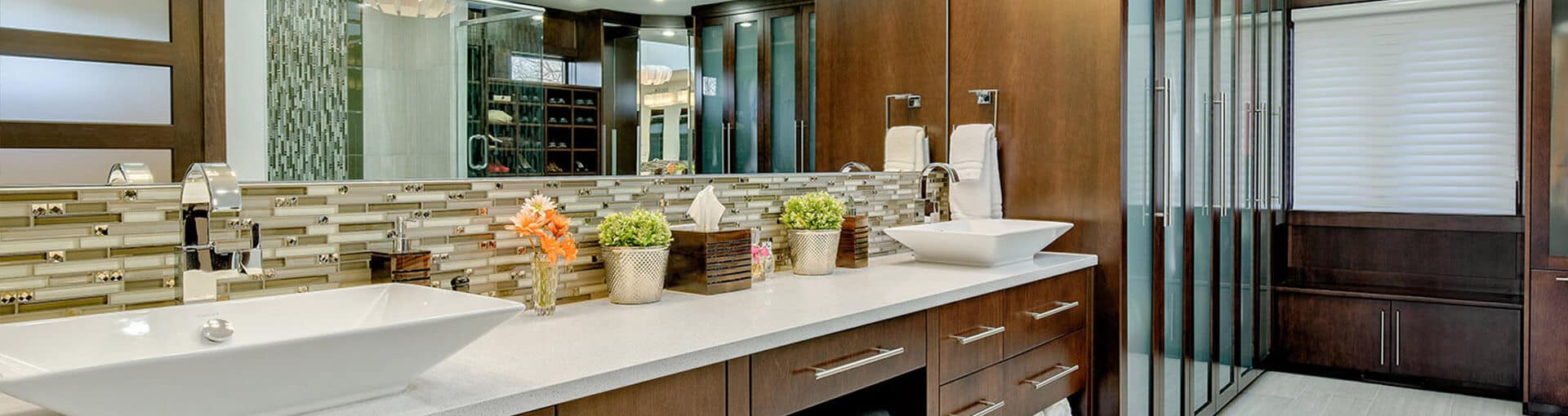

Everyone at Legacy treated my family as part of theirs. It was more like a lifetime experience and less like a business transaction
Quartz countertops have become one of the most popular surface choices for kitchens and bathrooms in recent years. Known for their durability, consistent appearance, and low-maintenance performance, quartz countertops appeal to homeowners who want a balance of style and practicality without the upkeep associated with many natural stones.
This guide explains what quartz countertops are, how they’re made, their benefits and limitations, and how they perform in real-world spaces. Whether you’re planning a kitchen remodel, updating a bathroom, or researching countertop materials, this resource is designed to help you make an informed decision—without sales pressure.
What Are Quartz Countertops?
Quartz countertops are classified as engineered stone countertops, meaning they are manufactured using natural quartz combined with binding resins and pigments. While quartz itself is a naturally occurring mineral found in the earth’s crust, quartz countertops are not quarried as slabs in the same way granite or marble are.
Most quartz countertops contain:
- Approximately 90–95% natural quartz crystals
- A small percentage of resins and binders
- Pigments for color consistency and pattern control
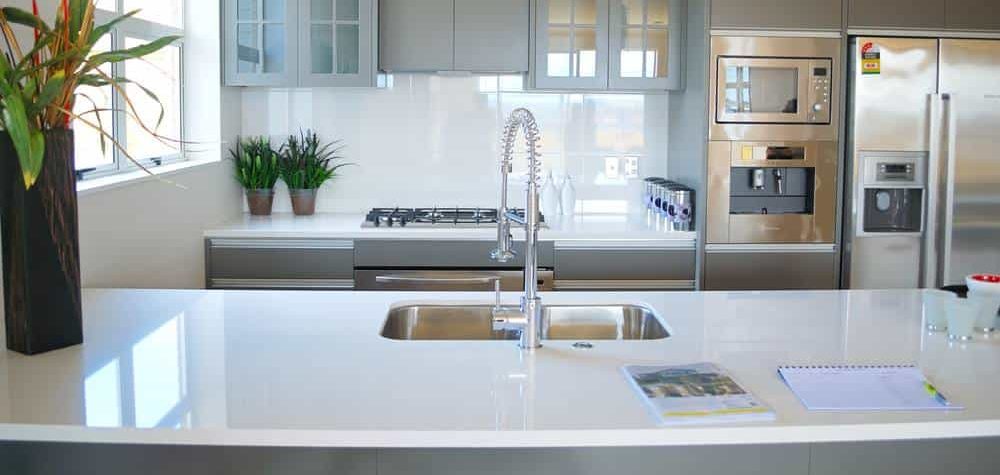
Because quartz is engineered, the final product offers a non-porous surface with uniform coloring and predictable veining. This makes quartz especially appealing to homeowners who want a clean, consistent look across large surfaces like kitchen islands and countertops.
For readers interested in the mineral science behind quartz itself, this overview from Geology.com’s quartz mineral resource provides a clear explanation of quartz’s natural properties and formation.
How Quartz Countertops Are Made
Raw Materials Used in Quartz Countertops
The primary component of quartz countertops is crushed natural quartz, one of the hardest minerals found in nature. This quartz is blended with resins that act as binders and pigments that create specific colors and patterns. Some designs also incorporate recycled materials or decorative aggregates for added visual depth.
Manufacturing and Pressing Process
Once mixed, the quartz material is poured into molds and compacted under extreme pressure. The slabs are then cured and polished to achieve a smooth, durable finish. This controlled manufacturing process is what allows quartz to offer:
- Consistent color from slab to slab
- Reliable thickness and strength
- A wide variety of design styles
This process is a key reason engineered quartz performs so reliably in residential kitchens and bathrooms.


