
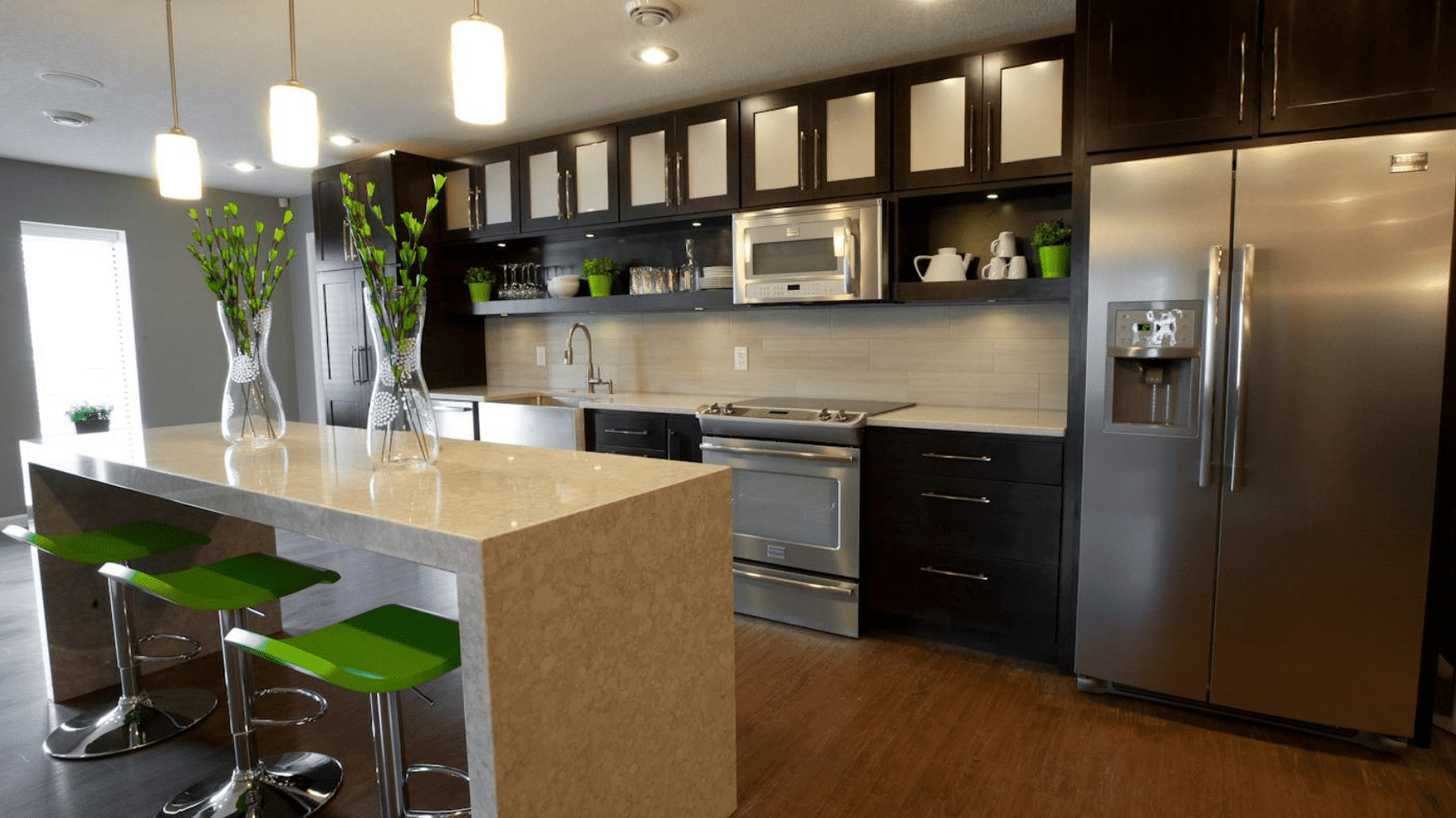
Planning a kitchen remodel is exciting, but layout mistakes made early in the process can become some of the most expensive problems to fix later. From cramped work areas to poorly placed appliances, many issues stem from decisions made before cabinets or kitchen countertops are installed.
A thoughtful kitchen design does more than look good—it supports daily routines, improves workflow, and ensures the space functions efficiently for years to come. By understanding the most common layout mistakes homeowners make, you can avoid costly revisions and build a kitchen that works as well as it looks.
According to the 2024 Houzz Kitchen Trends Study, nearly 40% of homeowners report making significant layout changes during a remodel after realizing their original design did not support how they actually used the kitchen. Planning ahead can prevent these disruptions and help your renovation stay on track.
Why Kitchen Layout Matters More Than Most Homeowners Realize
A well-planned kitchen layout determines how easily people can cook, clean, move around, and gather in the space. While style choices often get the most attention, layout decisions influence nearly every practical aspect of a kitchen.
Workflow and Efficiency
An efficient layout ensures that the most frequently used elements—sink, refrigerator, and cooktop—are positioned to minimize unnecessary movement. Poor placement can result in crowded work zones and inefficient cooking routines.
Countertop Workspace
Adequate kitchen countertops are essential for food preparation, appliance placement, and everyday tasks. Without enough surface area, even a beautifully designed kitchen can feel impractical.
Traffic Flow
Modern homes often feature open layouts, which means kitchens double as gathering spaces. A thoughtful kitchen design prevents foot traffic from interfering with cooking areas.
Mistake #1: Not Planning Enough Countertop Workspace
One of the most common kitchen layout issues homeowners face is insufficient workspace for food preparation.
Why Countertop Space Matters
Preparation areas are where most kitchen activity occurs. Without enough surface space, cooking becomes inefficient and clutter builds quickly, especially in busy households.
How Much Countertop Space Does a Kitchen Need?
Most kitchen designers recommend at least 36 inches of uninterrupted countertop space for food preparation, ideally located between the sink and cooktop. This dedicated workspace improves efficiency, keeps ingredients organized, and reduces congestion in active kitchens.
The National Kitchen & Bath Association (NKBA) also recommends at least 36 inches of continuous countertop workspace near the sink for comfortable food preparation.
How to Avoid This Mistake
- Plan prep zones between the sink and cooktop
- Include an island or peninsula when possible
- Ensure landing space beside major appliances
For homeowners evaluating materials during layout planning, reviewing options like quartz countertops can help determine what works best for busy kitchens.
Mistake #2: Ignoring the Kitchen Work Triangle
The classic “work triangle” remains one of the most reliable principles in kitchen design.
What Is the Work Triangle?
The triangle connects the three most frequently used areas of a kitchen:
- Sink
- Cooktop or range
- Refrigerator
Why It Still Matters
When these elements are placed too far apart—or too close together—the kitchen becomes inefficient. Cooking tasks require more steps, and multiple people may struggle to work in the same space.
How to Fix It
A balanced work triangle typically keeps each side between 4 and 9 feet, allowing movement without crowding.
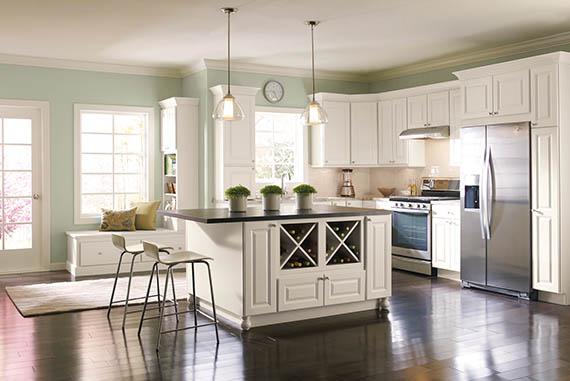
Mistake #3: Poorly Designed Kitchen Islands
Kitchen islands are popular features, but they can create problems if they’re not properly planned.
Oversized Islands in Small Kitchens
Large islands can dominate space and restrict movement. Adequate clearance—typically 36 to 42 inches around the island—is essential.
Insufficient Countertop Overhang for Seating
Seating areas require enough countertop overhang to remain comfortable and functional.
How to Avoid Island Layout Problems
- Ensure proper walking clearance
- Plan seating areas early in the design
- Consider how the island will be used for prep, storage, or gathering
Mistake #4: Insufficient Storage Planning
Storage mistakes can quickly undermine even the most attractive kitchen layouts.
Dead Corners and Hard-to-Reach Cabinets
Corner cabinets often create wasted space if they are not properly designed.
Lack of Drawer Storage
Drawers improve accessibility compared to deep cabinets and are increasingly common in modern kitchen design.
How to Improve Kitchen Storage
- Include pull-out drawers and organizers
- Plan pantry space early in the layout
- Avoid placing cabinets where doors will conflict with appliances
Mistake #5: Forgetting About Lighting and Sightlines
Lighting and visibility often receive less attention during layout planning, yet they greatly influence usability.
Poor Task Lighting
Prep areas and kitchen countertops should always have direct lighting to ensure safe food preparation.
Blocking Sightlines in Open Kitchens
In open-concept homes, kitchens often connect visually to living areas. Tall cabinets or poorly placed appliances can interrupt this flow.
Better Lighting Planning
- Use under-cabinet lighting over prep zones
- Ensure islands have appropriate task lighting
- Maintain clear sightlines toward gathering spaces
Mistake #6: Choosing Layout Before Considering Materials
Many homeowners finalize their layout before thinking about materials like kitchen countertops, which can lead to unexpected limitations.
Why Materials Matter During Layout Planning
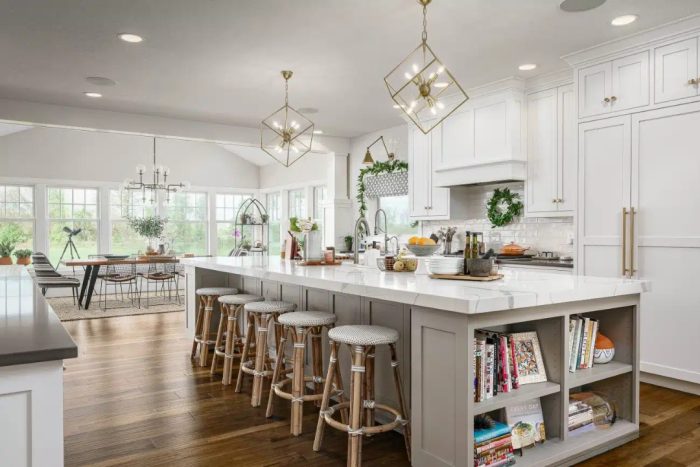
Countertop slabs have size limitations that affect seam placement, island design, and edge profiles.
How to Avoid Layout and Material Conflicts
- Consider countertop slab sizes when designing islands
- Plan seams carefully for long counters
- Review material characteristics early in the process
For example, understanding how materials perform can help homeowners choose between surfaces such as granite countertops or quartz.
For broader guidance on kitchen renovation planning, this Consumer Reports kitchen remodeling guide provides useful insights into budgeting and design decisions.
How to Plan a Kitchen Layout That Actually Works
Avoiding layout mistakes begins with understanding how the kitchen will be used day to day.
Step 1: Define Primary Work Zones
Cooking, cleaning, and preparation areas should each have adequate space.
Step 2: Plan for Movement
Ensure that traffic flow does not pass through primary work areas.
Step 3: Think About Long-Term Use
A practical kitchen design should accommodate everyday routines, family gatherings, and future needs.
Questions to Ask Before Finalizing Your Kitchen Layout
What questions should homeowners ask before finalizing a kitchen layout?
- Is there enough countertop space near the sink and stove?
- Will traffic interrupt cooking zones?
- Is the island sized appropriately for the room?
- Are storage areas easy to access?
- Does the layout support daily routines?
These questions help ensure the layout works both visually and functionally.
Final Thoughts on Avoiding Costly Kitchen Layout Mistakes
Kitchen renovations represent one of the most significant investments homeowners make. Layout decisions made early in the process influence everything from appliance placement to kitchen countertops and storage.
By prioritizing workflow, planning adequate surface space, and understanding how materials fit into the layout, homeowners can create a kitchen design that supports both beauty and practicality.
Taking the time to plan carefully today helps ensure your kitchen remains functional, comfortable, and enjoyable for many years to come.

